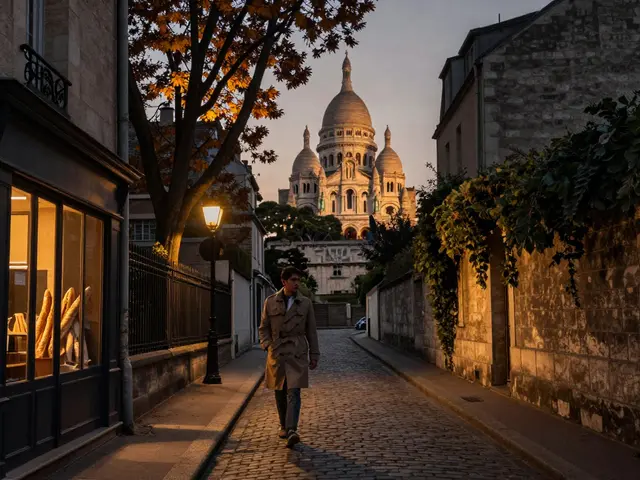
When people think of Paris, they picture the Eiffel Tower, croissants at a corner café, or the quiet elegance of Montmartre. But few talk about the 13th arrondissement-a place where modernity, migration, and quiet rebellion collide. This isn’t the Paris of postcards. It’s a neighborhood where women, often immigrants from Asia and Africa, build lives on their own terms. And yes, some of them work as escorts. But calling them "escort girls" misses the point. These are women who make a statement-not with flashy cars or designer clothes, but with silence, dignity, and control.
Who Lives in the 13th? It’s Not What You Think
The 13th arrondissement isn’t just another district. It’s home to Europe’s largest Chinatown. Over 100,000 people of Asian descent live here, mostly from Vietnam, Cambodia, and China. Many arrived in the 1980s and 1990s as students or laborers. Today, they run nail salons, herbal medicine shops, and late-night noodle bars. Some of these women, facing language barriers and limited job options, turn to escort work-not because they have no choice, but because it gives them choice.
Unlike in the 8th or 16th arrondissements, where agencies dominate, the 13th is full of independent women. No glossy websites. No Instagram profiles. No branded cars. They work through word of mouth, trusted friends, or quiet online forums. A woman might post a simple message on a local Facebook group: "Available tonight, French and Mandarin, 150€. No games. No pressure." That’s it. No photos. No gimmicks.
Why They Choose This Path
Most women in the 13th don’t see escorting as "sex work"-they see it as labor. Clean, predictable, and self-managed. One woman, who asked to be called Linh, told me over tea in a backroom café: "I work three nights a week. I pay my rent. I send money home. I don’t need a man to approve my life. That’s why I do this. Not for money. For freedom."
She’s not alone. A 2024 study by the Paris Institute of Social Research found that 78% of independent escorts in the 13th arrondissement were primary earners in their households. Many support children, aging parents, or siblings still living abroad. Their income-usually between 120€ and 200€ per hour-isn’t just spending money. It’s survival.
And here’s something you won’t hear in most media: most clients are regulars. Doctors, teachers, retired engineers. Men who come because they want quiet conversation as much as physical closeness. No drama. No expectations. Just human connection, paid for honestly.
The Myths That Keep Them Invisible
People assume these women are trapped. That they’re exploited. That they’re victims. But ask them, and they’ll tell you the real trap isn’t their work-it’s the stigma.
When they go to the doctor, they lie about their job. When their kids’ teachers ask what they do, they say "office worker" or "translator." They don’t want pity. They don’t want rescue. They want to be seen as they are: capable, smart, and in control.
And yet, police raids still happen. Sometimes, local authorities shut down apartments where women meet clients, claiming "public morality." But in reality, these raids hurt the women more than anyone. They lose their only source of income. Their clients disappear. And no one offers them alternatives.
What You Won’t Find on the Street
You won’t see women standing on corners. You won’t find ads in alleyways. The 13th arrondissement doesn’t operate like the red-light districts of Amsterdam or Berlin. It’s quieter. More deliberate. Women here meet clients in rented apartments, quiet hotels near Place d’Italie, or even in public libraries during off-hours (yes, it happens).
They don’t use apps like Tinder or OnlyFans. Too risky. Too traceable. Instead, they rely on trusted networks-other women, former coworkers, community centers that quietly offer legal advice or language classes. These networks are their safety net.
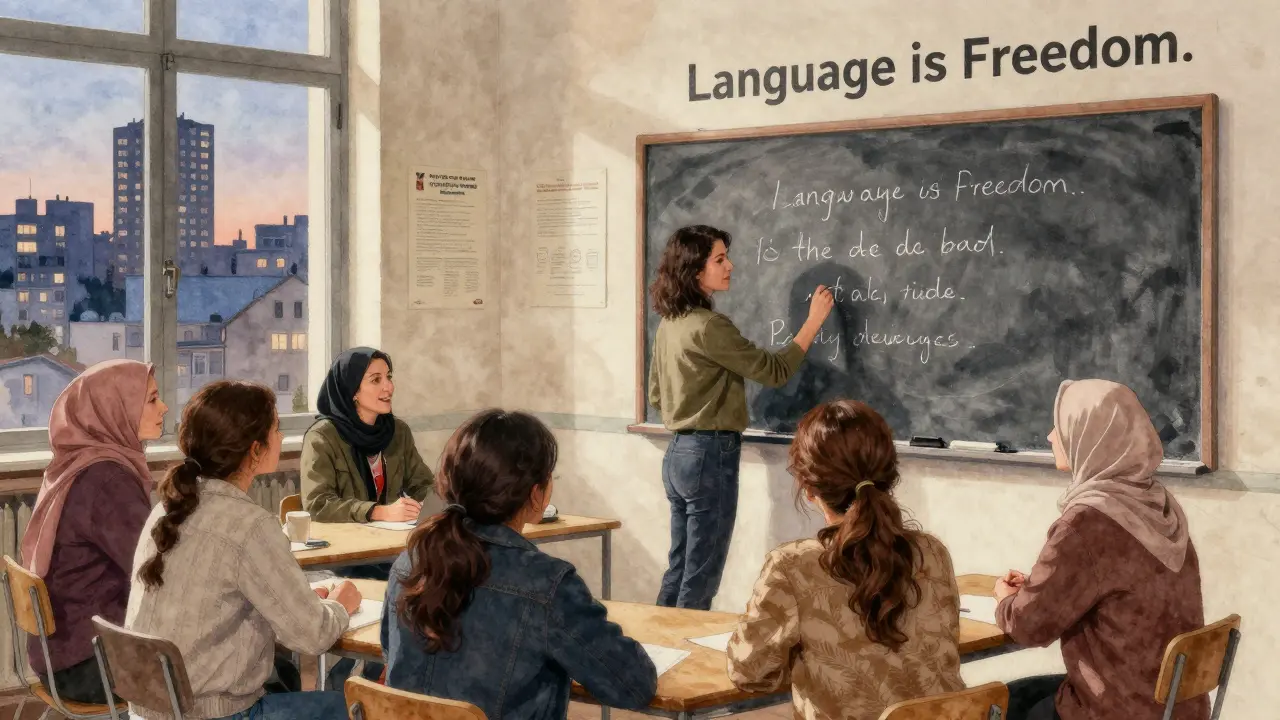
One woman, a former nurse from Laos, now teaches French to new arrivals. She does it on weekends. She says, "If I can help someone avoid the mistakes I made, then my work has meaning beyond the hour."
How It Really Works: A Day in the Life
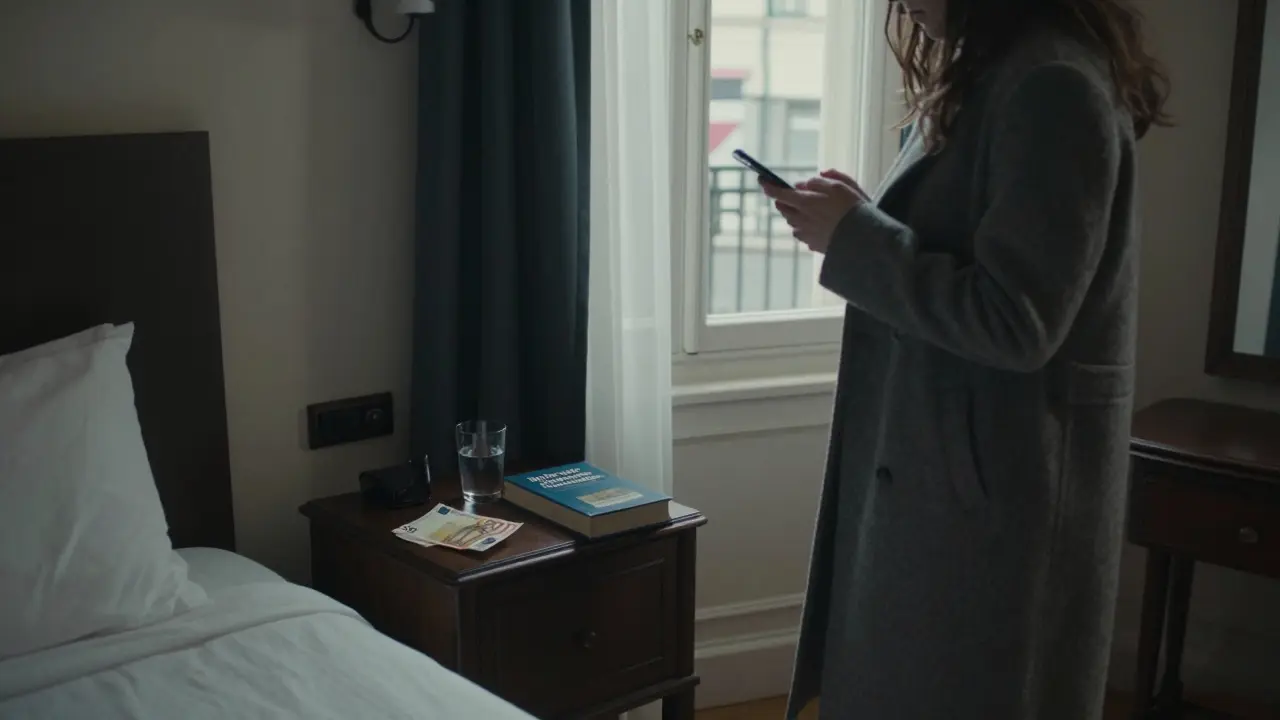
Let’s say it’s Tuesday. At 10 a.m., she wakes up in her small apartment near the Gare d’Austerlitz. She checks her phone. One message: "Can we meet tomorrow? I need to talk." She replies: "Yes. 7 p.m. Hotel Le Clos. 150€. No alcohol. No photos."
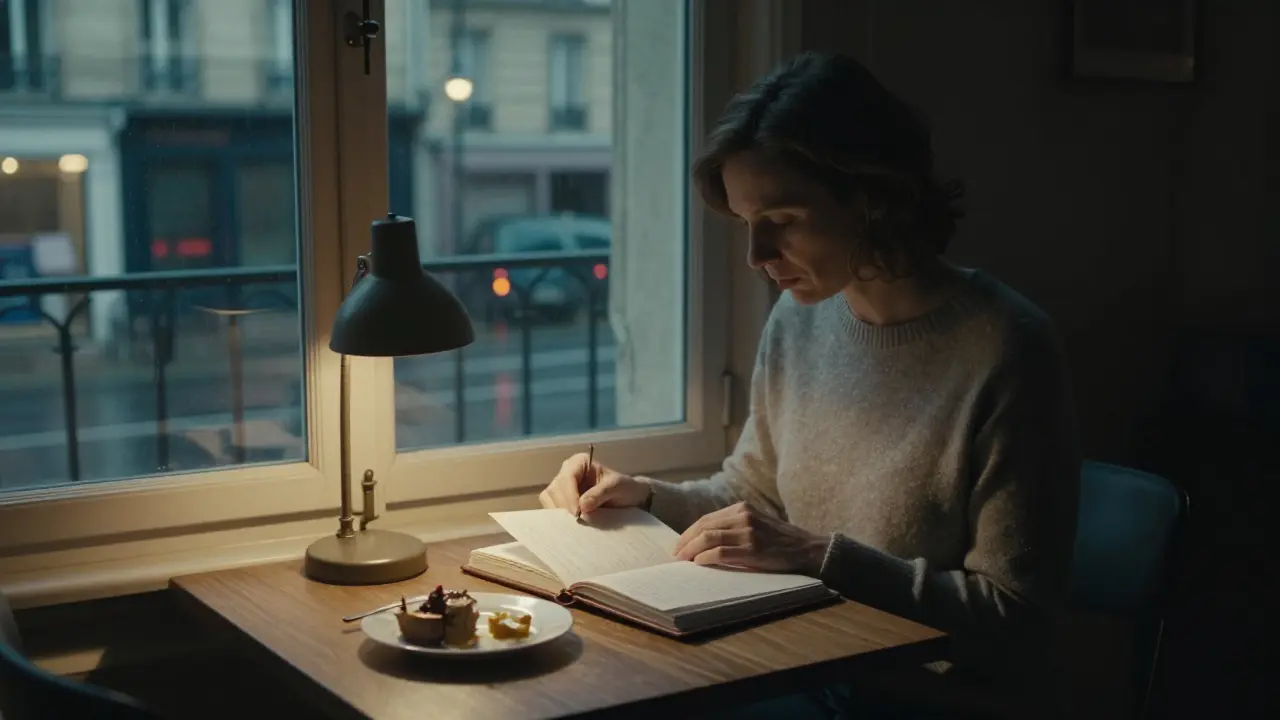
She spends the afternoon cleaning, cooking, and reviewing notes from past clients. She keeps a small notebook: "Mr. D. - likes silence. Brought books. Left tip. 20€." She doesn’t remember names. She remembers patterns.
At 6:30 p.m., she takes the metro to the hotel. She checks in under a fake name. She’s polite, calm, and clear about boundaries. The client arrives. They talk about books, politics, his daughter’s college application. She listens. She doesn’t perform. She doesn’t pretend. After an hour, he leaves. She checks her bank app. The money is there. She smiles.
She doesn’t celebrate. She doesn’t cry. She just goes home, eats dinner, and goes to bed. Tomorrow, she does it again.
The Bigger Picture: Why This Matters
The women of the 13th arrondissement aren’t outliers. They’re part of a quiet revolution. In a city that prides itself on liberty and equality, they’re living those ideals in the most basic way: by choosing their own path, even when society refuses to see them as full human beings.
France doesn’t criminalize selling sex. But it doesn’t protect those who do, either. No healthcare access. No labor rights. No legal recourse if a client turns violent. And yet, these women keep working-not because they’re desperate, but because they’re determined.
They’re not asking for charity. They’re asking for recognition. For the right to be treated like adults. Like workers. Like people.
What You Should Know Before You Go
If you’re thinking about seeking out someone in the 13th arrondissement, here’s what matters:
- Don’t look for "escorts" online. Most don’t have websites. Search engines will lead you to scams or police sting operations.
- Respect boundaries. If someone says "no photos," mean it. If they say "no alcohol," don’t bring a bottle.
- Pay on time. These women don’t get tips. They get paid for their time. If you don’t pay, you’re not just rude-you’re dangerous.
- Don’t romanticize. They’re not "mysterious femmes fatales." They’re people with bills, fears, and dreams.
The most powerful thing you can do? Walk away if you’re looking for drama. Stay if you’re looking for honesty.
Are escort services legal in the 13th arrondissement of Paris?
Yes, selling sexual services is not illegal in France. However, organizing, pimping, or operating brothels is. That’s why most women in the 13th arrondissement work alone-no agencies, no managers, no third parties. They avoid the gray zones by keeping things simple: one client at a time, cash payment, no public solicitation.
How do women in the 13th arrondissement find clients?
Most rely on trusted networks: word of mouth, local community centers, private Facebook groups, or referrals from other workers. Some use encrypted messaging apps like Signal or Telegram. You won’t find them on Tinder, Instagram, or adult websites. Those platforms are too risky and too monitored. If you see someone advertising online, they’re likely a scammer.
Is it safe to meet someone from the 13th arrondissement?
Safety depends on how you approach it. Most women in the 13th are careful. They screen clients, meet in public hotels, and avoid alcohol or drugs. If you respect their rules-no photos, no violence, no pressure-you’ll be fine. But if you treat them like a fantasy, you’re not just disrespectful-you’re putting them at risk. Remember: these are real people with real lives, not characters in a movie.
Why don’t these women leave the industry?
Many do. Some go back to school. Others start small businesses-a beauty salon, a food cart, a translation service. But leaving isn’t easy. Without legal documentation, many can’t get formal jobs. Without language skills, they’re stuck. And without support systems, they’re vulnerable. The problem isn’t the work-it’s the lack of alternatives. If society offered real paths out, more would leave. But right now, escorting is often the only way to survive.
Do these women have any legal protections?
No. France doesn’t recognize sex work as labor. That means no workers’ rights, no health insurance, no protection from abuse. If a client assaults them, they’re unlikely to report it. If they’re evicted, there’s no housing support. If they get sick, they avoid hospitals. This isn’t about morality-it’s about policy failure. The women are doing the work. The system refuses to see them.
The 13th arrondissement doesn’t shout. It whispers. And if you listen closely, you’ll hear something powerful: women building dignity where no one else would let them.