Paris has long been a canvas for stories about desire, secrecy, and survival-and few characters embody that tension more than the escort. Not the caricatured temptress of cheap thrillers, but the complex, often overlooked figures who navigate the city’s glittering streets and shadowed alleys with quiet strength. From the smoky cafes of Saint-Germain to the quiet apartments of the 7th arrondissement, escorts have appeared in some of the most memorable films and novels of the last century-not as background props, but as central figures whose lives reveal deeper truths about power, loneliness, and identity.
La Grande Illusion (1937) and the Hidden Economy of War
La Grande Illusion, Jean Renoir’s masterpiece about prisoners of war in World War I, doesn’t feature an escort in the modern sense. But it does show how women in occupied zones survived through transactional relationships-with officers, with guards, with those who held power. One character, a Frenchwoman living near a German camp, is implied to offer companionship in exchange for food and protection. Renoir never spells it out, but the subtext is clear: in times of collapse, survival often means trading intimacy for safety. This film laid the groundwork for later portrayals of Parisian women who used their presence as currency when other options vanished.Breakfast at Tiffany’s (1961) and the Myth of the Glamorous Companion
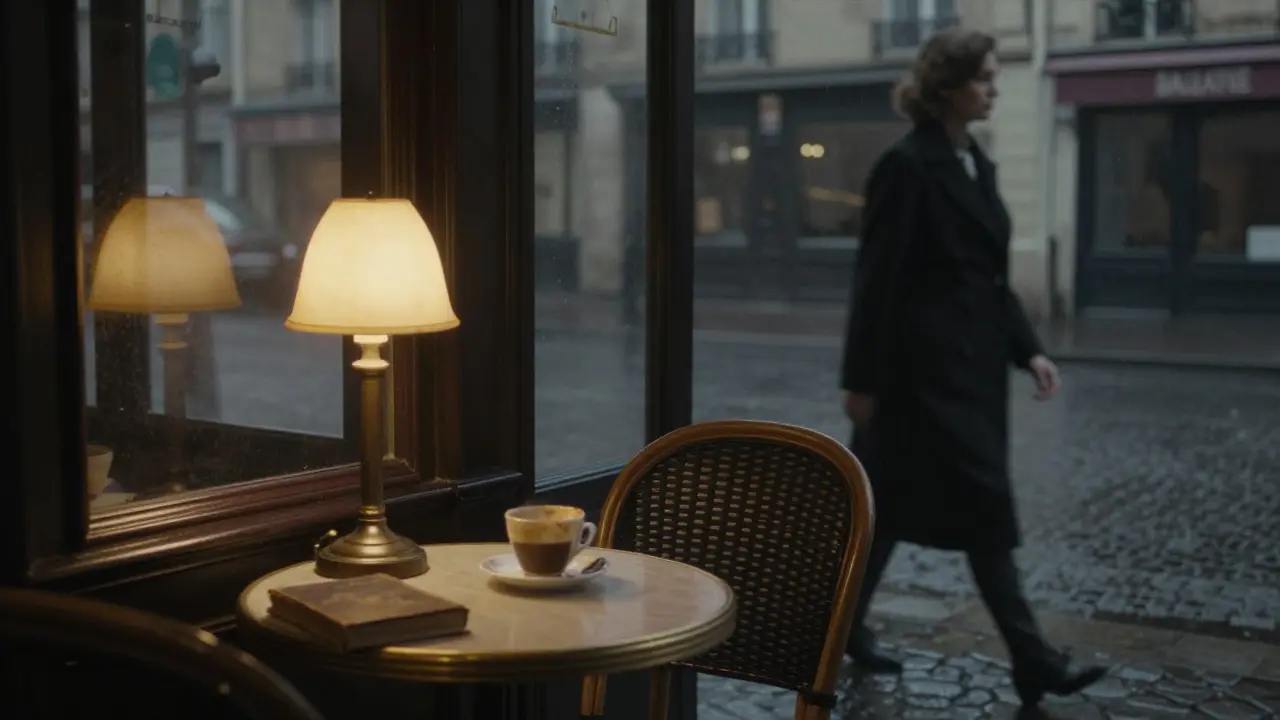
Audrey Hepburn’s Holly Golightly became the archetype of the chic, enigmatic companion. Though the book by Truman Capote paints her as a more desperate, vulnerable figure, the film softened her edges. She’s seen sipping coffee outside Tiffany’s, wearing black dresses and pearls, talking about her "friends" who send her gifts. The movie never says she’s an escort, but everyone knows. Paris doesn’t appear in this story-it’s New York. But the character’s aura, her independence, her refusal to be labeled, became a template for how Parisian escorts were later imagined in cinema. In films like Paris, Je T’aime (2006), the ghost of Holly lingers in the quiet woman who sits alone at a bistro, waiting for a man who may or may not come.The Story of O (1954) and the Literature of Submission
Pauline Réage’s The Story of O is one of the most controversial novels of the 20th century. Written under a pseudonym, it follows a woman who enters a secret society where her body becomes property. Though set in a fictional chateau outside Paris, the novel’s atmosphere is unmistakably French: cold elegance, ritualized power, and the quiet dignity of surrender. It was banned in many countries, but circulated widely in Parisian intellectual circles. The book didn’t glorify escorting-it dissected the psychology of consent, control, and identity. It forced readers to ask: is submission a form of freedom? Many real-life women in Paris’s higher-end escort scene later cited this book as a touchstone-not for its eroticism, but for its emotional honesty.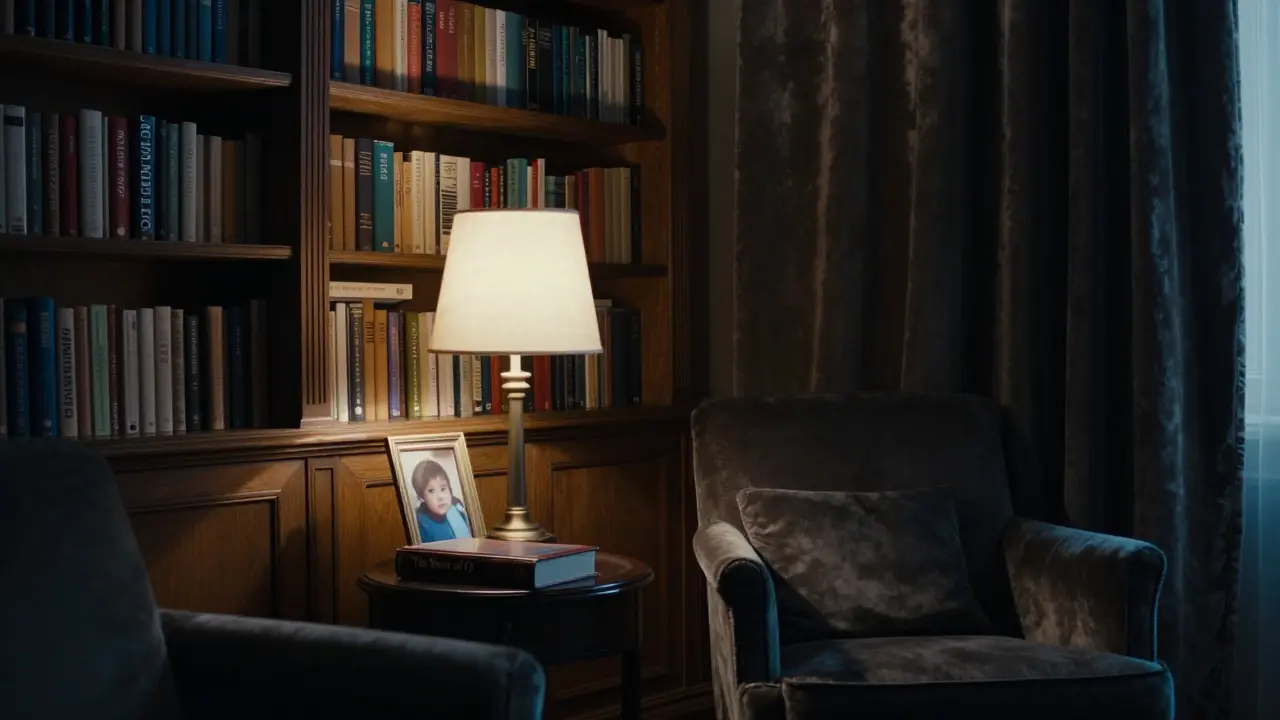
Amélie (2001) and the Invisible Women of Montmartre
Jean-Pierre Jeunet’s Amélie is full of quirky Parisians: the shy waiter, the lonely grocer, the reclusive neighbor. But one of the most haunting scenes involves a woman who works in a brothel near Montmartre. She’s never named. She doesn’t speak. She just walks through the frame, holding a tray of tea, her face unreadable. The film doesn’t judge her. It doesn’t romanticize her. It simply shows her as part of the city’s fabric. That’s the power of this moment: it refuses to turn her into a symbol. She’s just a woman doing a job, moving through the same streets as Amélie, unseen but present. This subtle portrayal influenced a generation of filmmakers to stop using escorts as plot devices and start treating them as human beings.Call Me by Your Name (2017) and the Parisian Aftermath
Though set mostly in Italy, the final scenes of Call Me by Your Name take place in Paris. Elio, heartbroken, sits in a small apartment, watching a video of his lost love. The apartment’s decor-dark wood, heavy curtains, a single lamp-feels unmistakably Parisian. Later, in interviews, director Luca Guadagnino confirmed the apartment belonged to a woman who worked as a high-end escort. She rented it out to young men who needed space to be alone. She never interfered. She never asked questions. She just made sure the lights were on. This detail, buried in the background, speaks volumes. It’s not about sex. It’s about silence. About space. About how Paris offers refuge-not to the famous, but to the broken.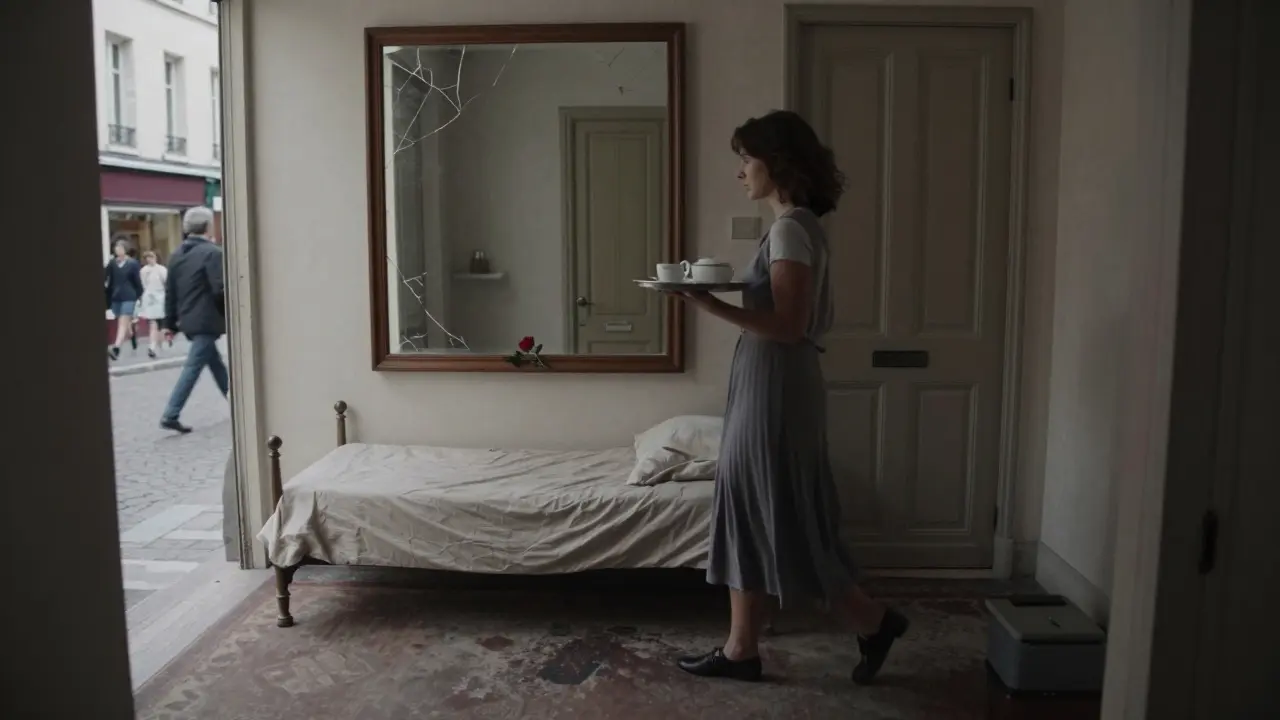
Lost in Translation (2003) and the Parisian Echo
Sofia Coppola’s Lost in Translation is set in Tokyo, but its emotional core is Parisian. The loneliness, the disconnection, the way people drift past each other in crowded rooms-that’s the rhythm of Parisian escort life. One scene shows Charlotte, alone in her hotel room, watching a French film about a woman who meets a stranger in a café. The film within the film is fictional, but the feeling isn’t. Many escorts in Paris describe their work as a series of these fleeting, intimate encounters-no names exchanged, no promises made, just two people sharing a moment in a city that doesn’t care who you are.Books That Got It Right: The Real Parisian Escorts
Fiction gives us myth. Nonfiction gives us truth. Parisian Women in the 1970s: Their Lives, Their Choices by sociologist Claudine Lefebvre (2002) is one of the few academic works to interview actual escorts in Paris. She spoke to women who worked in the 6th, the 15th, the 16th-women who studied literature, who spoke four languages, who saved money to send their children to university. One woman told her: "I don’t sell my body. I sell my time. And my time is worth more than you think." Another said: "In Paris, you can be anyone you want to be. Even if no one else believes it." Then there’s The Parisian Woman by Dominique Lévy (2015), a memoir disguised as fiction. It follows a woman who leaves a failed marriage, moves to Paris, and begins working as a companion to wealthy older men. She writes about the silence between them, the books they read together, the way they never talked about money until the end of the night. It’s not a story about exploitation. It’s a story about mutual need.Why These Stories Matter
These films and books don’t glorify escorting. They don’t eroticize it. They show it as a quiet act of survival in a city that rewards beauty, intelligence, and discretion. The women in these stories aren’t victims. They aren’t villains. They’re people making choices in a world that gives them few options-and then finding meaning anyway. Paris doesn’t need more movies about glamorous escorts in designer dresses. It needs more stories that show the woman who reads Proust between clients. The one who teaches English to refugees on Sundays. The one who keeps a photo of her daughter tucked in her wallet, even though she never talks about her family. The most iconic portrayals of escorts in Paris aren’t the ones that make you gasp. They’re the ones that make you look away-because you recognize something too real to watch.Are the escort characters in these films based on real people?
Some are loosely inspired by real women, especially in nonfiction works like Claudine Lefebvre’s interviews. Fictional characters like Holly Golightly or the woman in Amélie are composites-drawn from observations of Parisian life, not specific individuals. The real women who worked as escorts in Paris during the 1970s-90s rarely gave interviews, so most portrayals are interpretations, not biographies.
Why are escorts often portrayed in Paris and not other cities?
Paris has long been seen as a city of romance, art, and intellectual freedom. That image makes it the perfect backdrop for stories about women who navigate desire, power, and independence. Unlike cities with more visible red-light districts, Paris’s escort culture has historically been discreet-hidden in apartments, cafés, and private clubs. This mystery draws storytellers. The city’s aesthetic-elegant, moody, layered-matches the emotional tone of these narratives.
Do these films and books romanticize escorting?
Not the best ones. Films like Amélie or books like The Parisian Woman avoid glamorization. They show the loneliness, the exhaustion, the quiet dignity. When escorting is portrayed as glamorous-like in Breakfast at Tiffany’s-it’s usually a critique of the myth, not an endorsement. The most powerful stories are the ones that make you uncomfortable because they feel true.
Are there any recent films or books that portray escorts in Paris accurately?
Yes. The 2021 French film La Dernière Nuit follows a woman in her 50s who works as a companion to elderly men in the 16th arrondissement. It’s quiet, unflinching, and based on real interviews. The 2023 novel Chambre 12 by Marie Dufour tells the story of a young woman who becomes an escort after losing her job during the pandemic. Neither film nor book offers easy answers. They just show the life.
Where can I find these books and films today?
Most are available through streaming services like Criterion Channel, MUBI, or Netflix France. The Story of O and The Parisian Woman are in print through major publishers like Gallimard and New York Review Books. Libraries in Paris, London, and New York often have copies. Look for French-language editions if you want the original tone.