Paris has always been a city of romance, but today’s escort scene isn’t what you see in old movies. It’s not about secret rendezvous in dimly lit hotel rooms or shady back-alley deals. It’s about women choosing their own paths - setting their own hours, pricing their own services, and building brands around their independence. The rise of escort girls in Paris isn’t a sign of desperation. It’s a quiet revolution in personal freedom.
Who Are These Women?
Most escort girls in Paris today are in their late 20s to mid-30s. Many have degrees - in art, literature, psychology, or even engineering. Some worked in marketing or hospitality before deciding they’d rather control their time than clock in at 9 a.m. They don’t advertise on street corners. They don’t rely on agencies that take 50% of their earnings. Instead, they use Instagram, private websites, and word-of-mouth referrals from trusted clients.
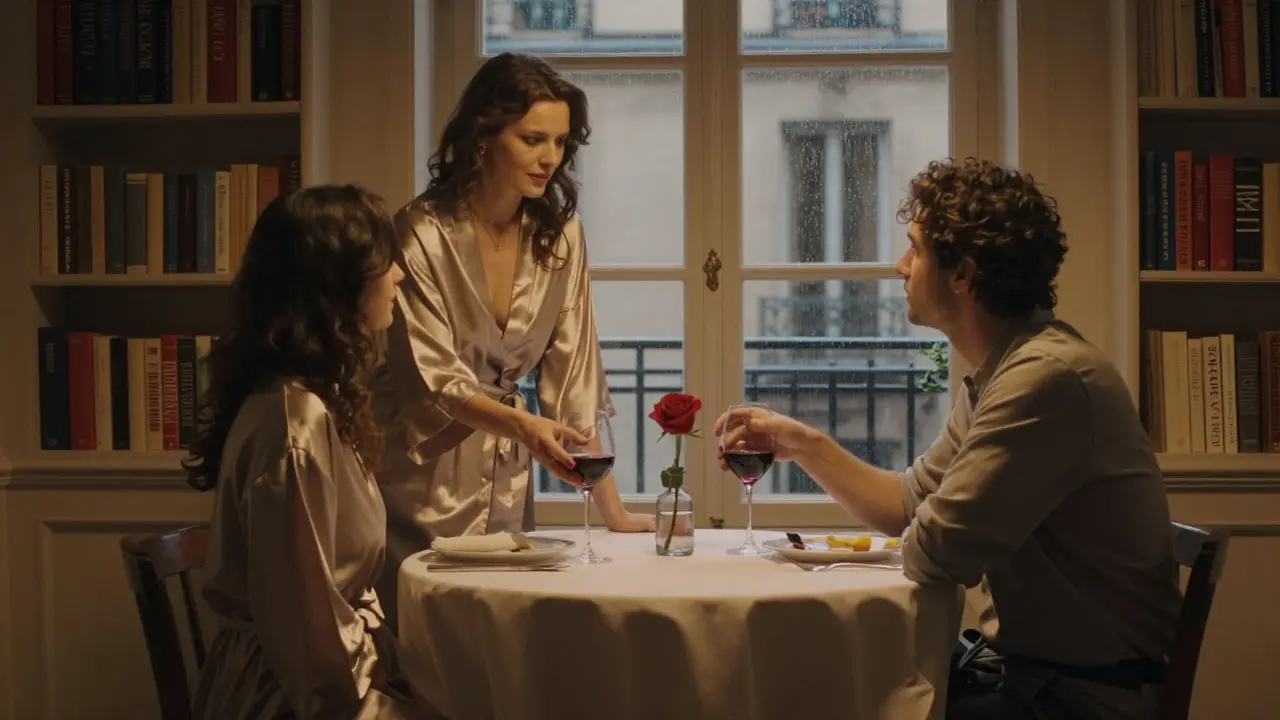
One woman, who goes by the name Léa, used to work as a museum curator in the 7th arrondissement. She left after two years, citing burnout and low pay. Now she hosts intimate dinners with clients in her apartment near the Seine, charges €450 for a three-hour evening, and books her own calendar. "I’m not selling sex," she told me in a private message. "I’m selling presence. Conversation. A break from loneliness."
That’s the shift. It’s less about physical acts and more about emotional connection - or at least, the carefully curated illusion of it. Clients aren’t just looking for sex. They’re looking for someone who listens, who remembers their favorite wine, who doesn’t ask for a photo after they leave.
How It Works Now
The old model - agencies, fixed rates, strict rules - is fading fast. Today’s independent escorts in Paris operate like freelancers. They set their own boundaries. They say no to requests they’re uncomfortable with. They use encrypted apps like Signal to communicate. Many avoid meeting clients in hotels. Instead, they host at their own places, or choose neutral, safe locations like private lounges in the 16th or 9th arrondissements.
Payment is usually done through bank transfer or cryptocurrency. No cash. No receipts. No trace. One escort I spoke with said she uses Monero because it’s untraceable. "I don’t want my landlord to find out," she said. "I don’t want my bank to flag me. I just want to live quietly."
There’s no formal licensing, no legal framework, and no protection from the state. But there is a code - strict, silent, and deeply respected. Never share a client’s name. Never post a photo without consent. Never pressure someone into something they didn’t agree to. These aren’t rules written down. They’re passed along like family secrets.
Why Paris?
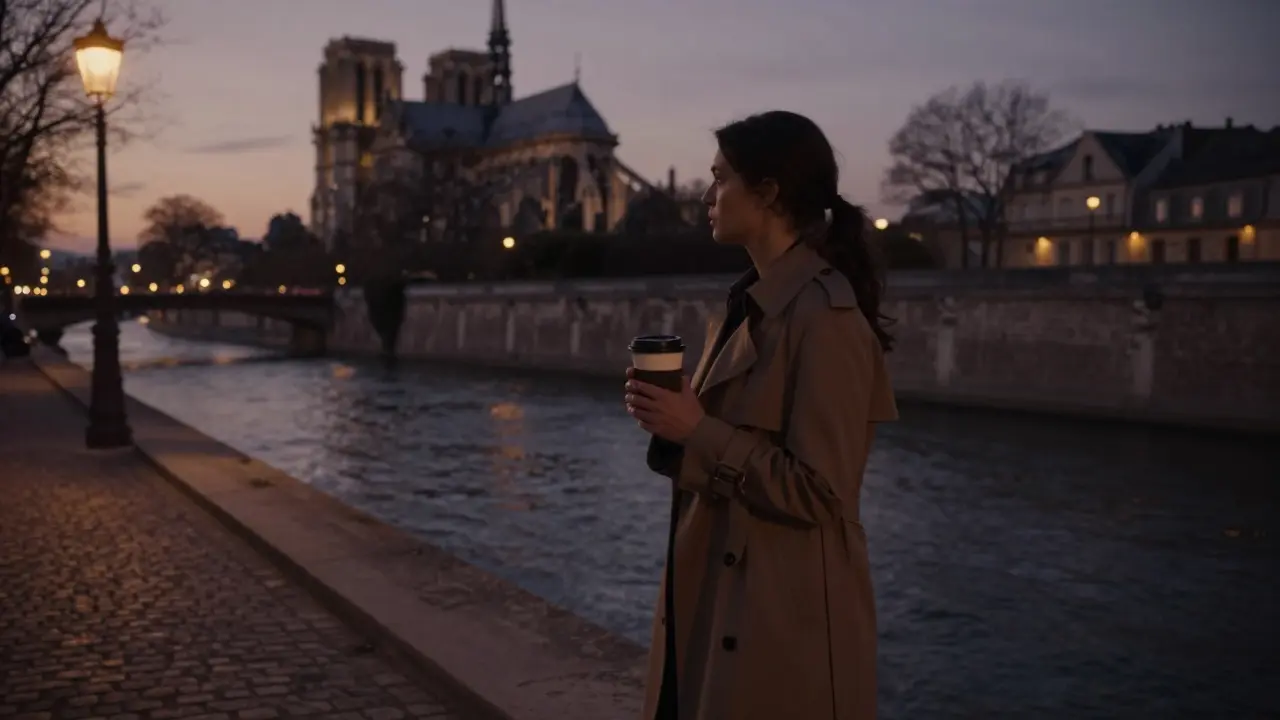
Paris isn’t unique in having an escort industry. But it’s one of the few cities where it’s woven into the cultural fabric without being openly condemned. You won’t find billboards or neon signs. But you’ll see the signs if you know where to look: a woman in a trench coat waiting by the Luxembourg Gardens at dusk. A sleek black car parked outside a boutique hotel in Saint-Germain. A discreet Instagram profile with only three photos - a hand holding a coffee, a bookshelf, a pair of heels on marble.
The city’s history plays a role. Paris has long been a place where sexuality and art coexist. From the courtesans of the 18th century to the femmes fatales of French New Wave cinema, there’s a legacy of women using charm and intelligence to navigate power. Today’s escorts are part of that lineage - not as victims, not as criminals, but as women who understand the value of their presence.
And the demand? It’s real. Corporate executives from London and Dubai. Divorced men in their 50s who haven’t been touched in years. Young professionals who feel isolated despite being surrounded by people. These aren’t outliers. They’re ordinary people looking for connection in a world that’s become increasingly transactional.
The Myths That Won’t Die
There are still people who think escort girls in Paris are trafficked, addicted, or forced into the work. Those stories make headlines. They’re tragic. But they’re not the norm.
A 2024 survey by the French Institute of Social Studies - the only official study of its kind - found that 87% of women working as independent escorts in Paris reported doing so voluntarily. Only 3% said they had ever been pressured by an agency or partner. The rest cited reasons like financial independence, flexible hours, or simply enjoying the work.
Another myth: that these women are young and inexperienced. The average age is 31. Many have children. Some are single mothers. One woman I met, named Camille, has a six-year-old daughter and works only on weekends. She tutors kids during the week and hosts dinners on Friday nights. "I’m not hiding from my daughter," she said. "I’m teaching her that women can choose their own lives."
The media paints this as a dark underbelly. But the reality? It’s messy, human, and often surprisingly tender.
What’s Changing?
The biggest shift? Technology. Apps like Telegram and Discord have replaced the old phone chains. Women can screen clients before meeting them - checking social media, asking for references, even running background checks through private services. Some use AI tools to generate profile bios that sound authentic without revealing too much.
There’s also a new wave of support networks. Private Facebook groups with thousands of members. Threads where women share safety tips, legal advice, and even mental health resources. One group, called "Les Femmes Libres," has a list of trusted therapists who specialize in sex work stigma. Another offers free self-defense classes in the 13th arrondissement.
And then there’s the legal gray zone. France criminalizes clients under the Nordic model - meaning it’s illegal to pay for sex, but not to sell it. That’s created a strange dynamic. Escorts aren’t prosecuted. But clients risk fines up to €1,500. That’s pushed the industry further underground. It’s also made clients more careful - and more respectful.

It’s Not About Sex
Let’s be clear: this isn’t a story about prostitution. It’s a story about autonomy. About women reclaiming control over their bodies, their time, and their worth in a society that still tries to define them by their relationships to men.
These women aren’t asking for pity. They’re not begging for acceptance. They’re just living - quietly, carefully, and on their own terms.
If you walk past a woman in a red coat near the Champs-Élysées at 10 p.m., don’t assume anything. She might be going to a dinner date. She might be meeting a friend. Or she might be on her way to a client who’s been waiting all week just to hear someone say, "I’m glad you’re here."
That’s the modern love story of Paris. Not roses and champagne. Not grand gestures. Just two people, in a quiet room, choosing to be present with each other - for a few hours, in a city that never sleeps.
What You Won’t See
You won’t see the panic when a client cancels last minute and she’s already paid for the dry cleaning. You won’t see the therapist appointment she schedules every other Tuesday. You won’t see the text she sends to her sister after a rough night: "I’m okay. Just tired."
You won’t see the pride in her voice when she says, "I made this myself."
That’s the real story. And it’s not on any website. Not in any magazine. Not in any film. It’s in the silence between the moments. In the choices no one else sees.