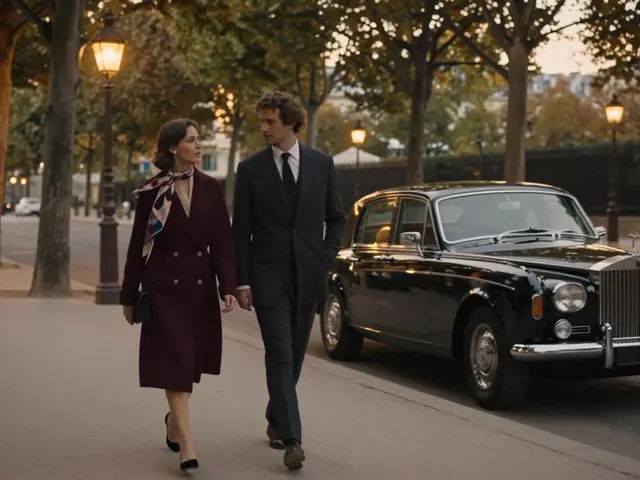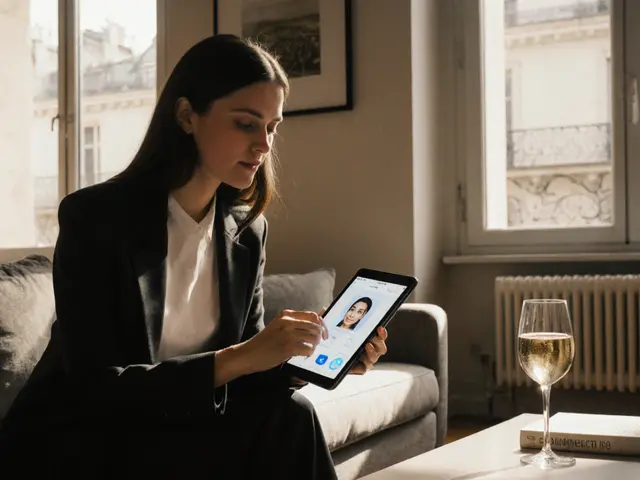
It’s not about glamour. It’s not about mystery. And it’s definitely not about the rumors you hear on Instagram. The truth about escort girls in Paris 13th arrondissement is quieter, stranger, and more human than anyone’s telling you.
If you’ve been scrolling through forums or TikTok clips calling it the "new hotspot" for discreet encounters, you’re hearing half the story. The 13th arrondissement isn’t some underground club scene. It’s a working-class neighborhood with bustling markets, immigrant communities, and apartment blocks where people live, work, and sometimes make choices that don’t fit into a tourist brochure.
What’s changed isn’t the number of people offering companionship services-it’s the visibility. A decade ago, these arrangements happened behind closed doors, through word-of-mouth or trusted agencies. Now, platforms like Telegram groups, private Instagram DMs, and discreet websites have made it easier to find, but also louder to talk about. And when something gets talked about loudly, myths grow faster than facts.
Who Are These Women?
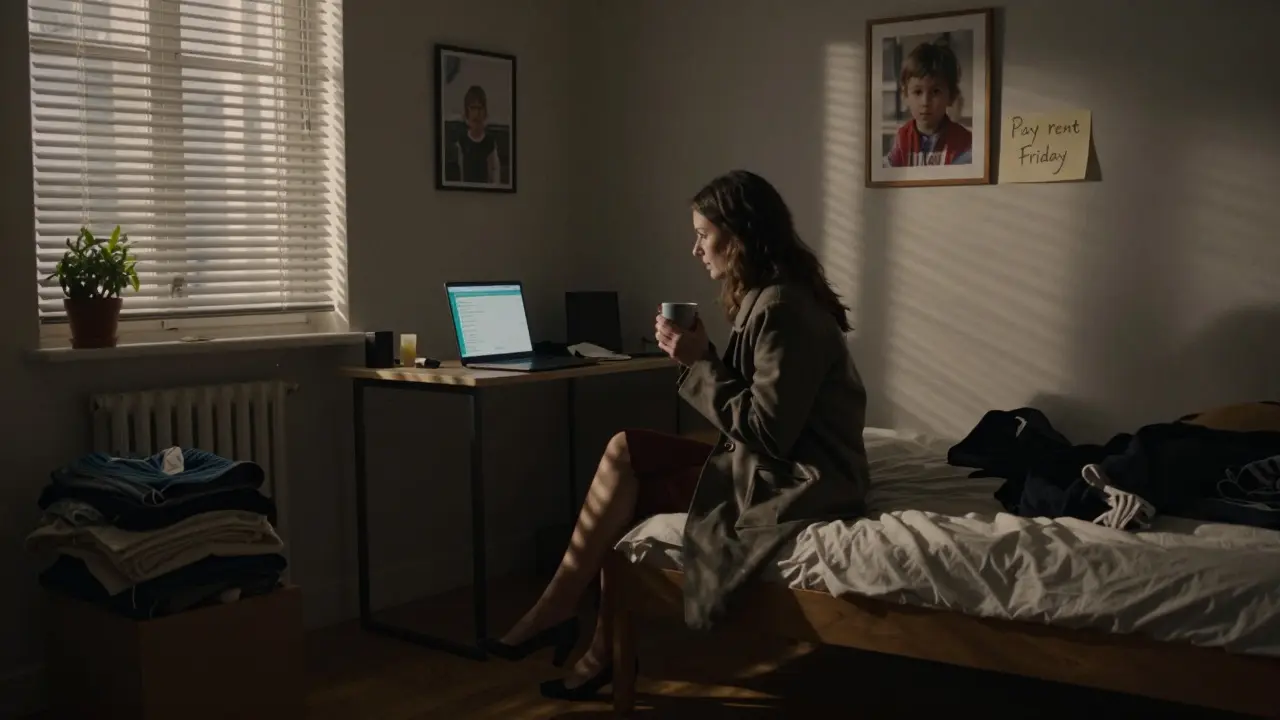
Let’s start by removing the stereotype. The women working in this space aren’t a monolith. Some are students at Université Paris Cité, juggling exams with evening appointments to pay rent. Others are single mothers who need flexible hours to care for their kids. A few are expats from Eastern Europe or Southeast Asia who moved to Paris for opportunity and found this path after language barriers made other jobs harder to land.
A 2023 survey by the French Association for Sex Workers’ Rights (AIDES) found that 68% of women in Parisian escort work were over 25, and 41% had at least a bachelor’s degree. Many didn’t start out in this line of work. They stumbled into it after losing a job, facing eviction, or needing to support family back home. It’s not a lifestyle choice-it’s often a survival strategy dressed in high heels and tailored coats.
The 13th arrondissement, with its lower rents compared to the 7th or 16th, became a natural hub. You’ll find these women in small studios near Place d’Italie, in renovated industrial buildings along the Canal de l’Ourcq, or even in shared apartments with other women who work in similar fields. It’s not glamorous. It’s practical.
How It Actually Works
Forget the Hollywood version. No limos. No penthouses. Most sessions happen in rented rooms above laundromats or in short-term Airbnb units booked under fake names. Payment is usually cash or bank transfer. No contracts. No guarantees. Clients come from all walks of life-some are lonely expats, others are married men from the suburbs, and a surprising number are younger men from nearby neighborhoods who just want to talk before anything else.
One woman, who asked to be called Léa, told me in a quiet interview last year: "I don’t do sex on the first meeting. I do coffee. I do walks. I do listening. If we get to more after that, fine. But I’m not here to be a fantasy. I’m here because I need to pay my phone bill."
That’s the reality most people miss. The demand isn’t just for sexual services. It’s for connection. For someone who doesn’t judge. For an hour where you’re not the guy who lost his job, or the woman who got divorced, or the immigrant who still can’t speak French fluently.
Agencies exist, but they’re small. Not like the big Parisian firms in the 7th. These are often just two or three women sharing a WhatsApp group, vetting clients together, warning each other about bad numbers. They don’t have logos. No websites. Just a phone number passed from friend to friend.
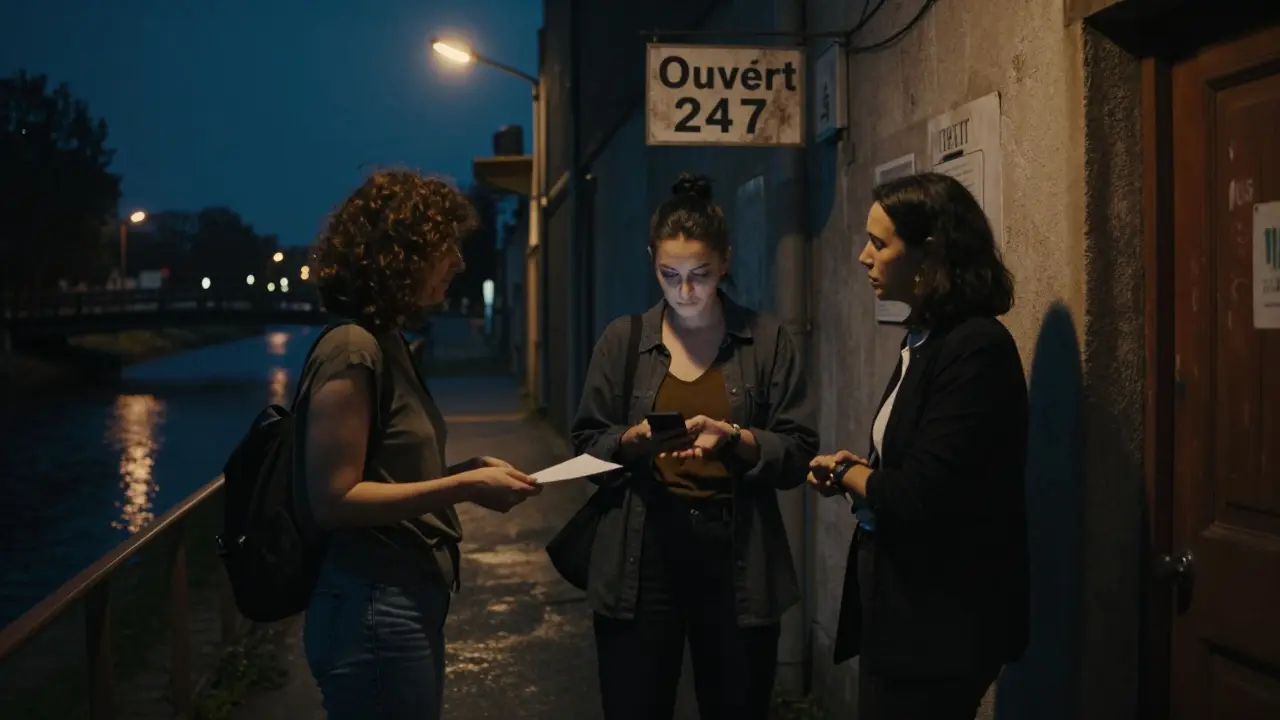
Why the 13th? It’s Not What You Think
The 13th arrondissement has the lowest median income of any Paris district. It also has the highest concentration of Asian and African immigrants. That mix creates something unusual: a community where survival is understood, not judged.
Unlike in the 8th or 16th, where upscale clients expect luxury hotels and champagne, here, the service is stripped down. No rose petals. No massage oils. Just a room, a clock, and a conversation. The women here aren’t selling fantasy-they’re selling presence.
There’s also a practical reason: the 13th has fewer police patrols focused on prostitution than other districts. That doesn’t mean it’s safe. It just means enforcement is inconsistent. The women here have learned to read the signs-when the streetlights go out early, when the bodega owner stops asking questions, when the neighbor starts knocking on the wall after midnight.
They don’t talk to tourists. They don’t post selfies. They don’t want to go viral. They just want to get through the month without being evicted.
The Dark Side Nobody Talks About
Yes, some women earn good money. But many don’t. One woman I spoke with said she made €800 last month. After paying €400 for her room, €150 for food, €100 for transport, and €120 for phone and internet, she had €130 left. That’s not luxury. That’s barely survival.
And then there’s the risk. Clients who don’t pay. Clients who get violent. Clients who record without consent. In 2024, the Paris police recorded 127 reports of assault involving sex workers in the 13th alone-up 37% from 2022. No one’s tracking how many go unreported.
There’s no legal protection. France doesn’t criminalize selling sex, but it criminalizes advertising it, organizing it, or even sharing a space with someone who does. That means these women can’t call the police when something goes wrong. They can’t file a report without risking arrest themselves. So they stay quiet.
What’s Next?
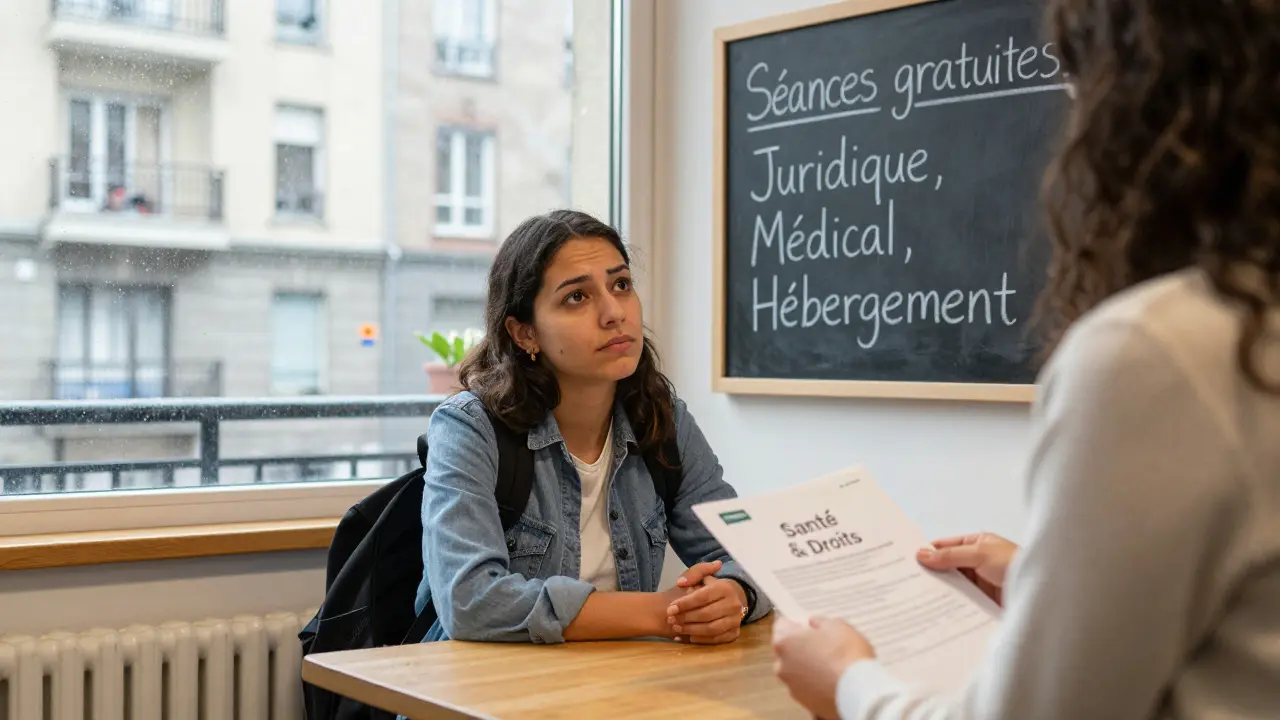
Some activists are pushing for decriminalization of all aspects of sex work. Others want better housing access. A few local NGOs in the 13th have started offering free legal advice, safe storage for belongings, and emergency medical referrals. But funding is thin. And most people don’t even know they exist.
What you won’t hear on social media: the woman who started a tutoring group for immigrant kids on weekends. The one who sends money to her sister in Vietnam every month. The mother who saved enough to rent a real apartment in Vitry-sur-Seine last year and moved out of the 13th.
These aren’t stories you’ll find in viral videos. They’re quiet. They’re real. And they’re happening right now, in a neighborhood most tourists never walk through.
If you’re curious about why people talk about escort girls in the 13th, ask yourself this: Are you curious about the women-or are you just curious about the fantasy?
Are escort services legal in Paris 13th arrondissement?
Selling sexual services isn’t illegal in France, but advertising, organizing, or working in groups is. In the 13th arrondissement, women operate alone, without websites or public ads, to avoid legal risk. Clients aren’t prosecuted either, but any form of solicitation in public spaces can lead to fines. The system is designed to punish visibility, not the work itself.
How do women in the 13th find clients?
Most use private channels: encrypted messaging apps like Telegram or Signal, Instagram DMs with coded language, or word-of-mouth referrals from other workers. Some rely on trusted local businesses-a café owner who passes along a number, a laundromat clerk who knows who needs help. No public listings. No ads. No profiles. Everything is hidden by design.
Is it safe for tourists to look for escorts in Paris 13?
It’s not advisable. Tourists are easily spotted. Many online "services" targeting visitors are scams-stolen photos, fake profiles, or setups for robbery. Real workers avoid tourists entirely. If you’re looking for companionship, you’re better off using a legitimate social or cultural event. The risks far outweigh any perceived benefit.
Why is the 13th arrondissement different from other Paris districts?
The 13th has lower rent, a high immigrant population, and less police surveillance focused on prostitution compared to wealthier districts. This creates a space where survival-based work can happen with less public scrutiny. Unlike the 7th or 16th, where services are marketed as luxury, here, the work is about necessity, not indulgence.
Do these women have access to healthcare or legal help?
Some NGOs in the 13th, like Les Enfants du Canal and AIDES, offer free medical check-ups, legal consultations, and emergency housing referrals. But these services are underfunded and not widely advertised. Most women don’t know they exist-or are afraid to reach out. Access is patchy, inconsistent, and often depends on who you know.
If you’re drawn to stories like this because they feel mysterious, remember: behind every headline is a person trying to get by. The 13th arrondissement doesn’t need more attention-it needs more compassion.